Our new internet plan included a free year of a mobile line so I picked up an old Pixel 3a, installed a minimal launcher (the truly excellent Before launcher, which I also have on my e-reader), and am trying it out as a dumbphone.
The usual challenges aside of having devices on separate ecosystems (photo syncing, headphone pairing – and not being able to use Bebop), it’s worked decent. I went today to get a haircut and flu/covid boosters and even forgot to bring the iPhone as backup. I got along fine.
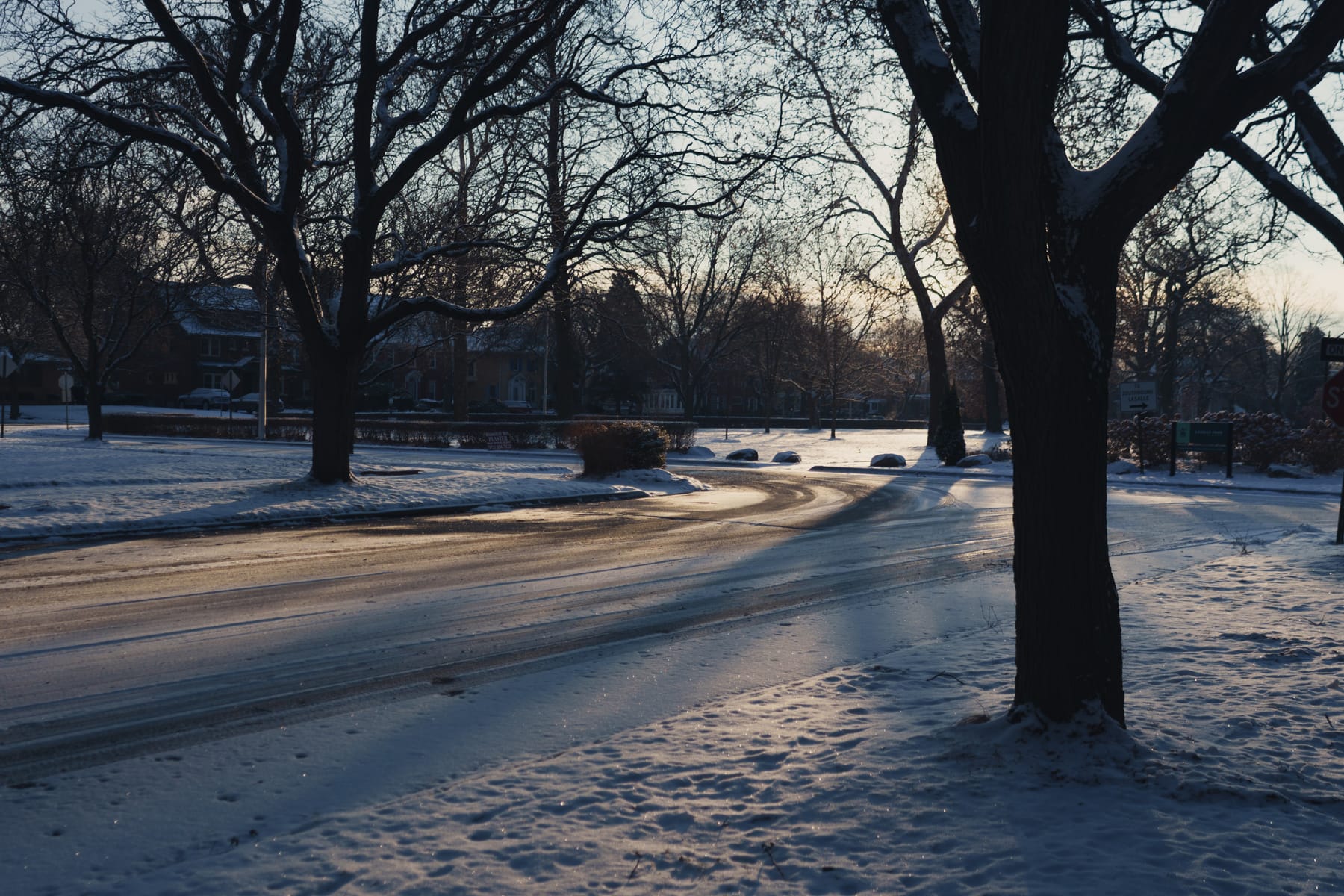
I have noticed, since the start of this experiment, that I’ve been overly tired and am eating voraciously. Maybe from some combination of dopamine withdrawal and getting our first snow. I turned 42 last month and wrote, in my journal, “Don’t fight the winter blues, Seasonal Affective Disorder is just your body responding to your environment, telling you to rest and do less.”
I don’t know if I’ve gotten wiser or just gotten older.
This week I’m headed to glorious, sunny LA for ten days, to kick off another semester of teaching at Antioch’s low-residency MFA. Have I already told you this? It’s hard to remember.
Tomorrow is the second Tuesday of the month, so that means we’re having our monthly Digital Mending Circle at 7:30–9:00PM Eastern, whereupon we partake in
the kinds of oft-neglected maintenance tasks that accrue around our digital lives. Instead of darning socks and patching jeans, we update personal websites, delete unused accounts, work on side projects, or even just catch up on email.
Hit reply if you don’t already have the link. I’ll be getting all my devices sorted for the trip.
I saw, at the Detroit Film Theater, one of the few midwest screenings of Peter Hujar’s Day, based on a book that’s a transcript of a lost recording of an interview between the photographer and his friend Linda Rosenkrantz, for a project she was doing in the 1970s on the fractal nature of seemingly ordinary days.
Even if you’re not familiar with Hujar (I wasn’t going in), you’ve likely seen his portraiture (or the works from other photographers his portraits inspired). One of his best-known is this one of Susan Sontag, which appears in the back of my copy of On Photography:

Back to the movie. It’s a marvel of creative constraint. Given the fixed (and sometimes, by itself mundane, dialogue), director Ira Sachs’ choices in staging the characters and handling the passage of time are truly surprising. Scenes, often delineated in the dialogue by changes of tape, are also cut with beautiful shots that feel magazine-esque and, as confirmed by the friend I saw the film with, very much in the style of Hujar’s work. The whole seventy-some minutes were mesmerizing.
The movie I saw right before the Hujar one happened to be Come See Me in the Good Light, a documentary about spoken word poet Andrea Gibson’s cancer battle and final live show. Some of the interviews with Gibson happen while they’re lying on their back, which I imagine has to do with how much pain they were in from the cancer and treatments. The last of these shots is quite Hujaresque:
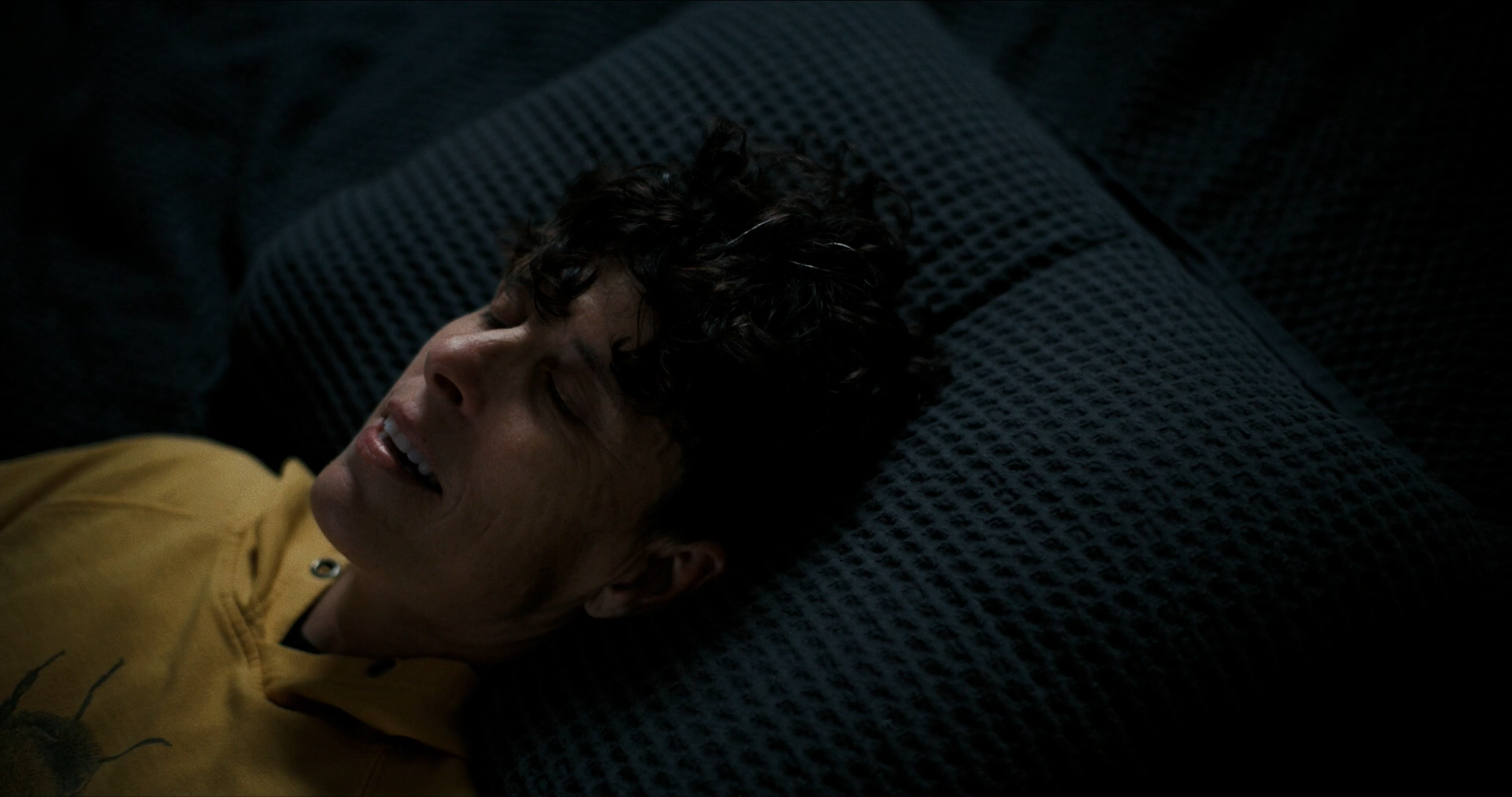
But also colored with its own meaning. Intentional or unintentional homage? I don’t know if it matters. Poignant? Most definitely.
The new Apple TV intro was made, by TBWA’s Media Arts Lab, using practical effects. Craft in the time of generative AI.
Speaking of practical effects, Light and Magic goes deep into the Lucasfilm archives. I’ve only seen the first episode so far, about John Dykstra’s pulling-together of the crew of generalist weirdos to work on the first movie, but man! Selective environmenting at its best.
To close: This, from Baptism of Fire, the fifth Witcher book, is maybe the best description I’ve read in fiction of a treasured tool:
The bow came from the Far North. It measured just over five feet, was made of mahogany, had a perfectly balanced riser and flat, laminated limbs, glued together from alternating layers of fine wood, boiled sinew and whalebone. It differed from the other composite bows in its construction and also in its price; which is what had initially caught Milva’s attention. When, however, she picked up the bow and flexed it, she paid the price the trader was asking without hesitation or haggling. Four hundred Novigrad crowns. Naturally, she didn’t have such a titanic sum on her; instead she had given up her Zerrikanian zefhar, a bunch of sable pelts, a small, exquisite elven-made medallion, and a coral cameo pendant on a string of river pearls. But she didn’t regret it. Not ever. The bow was incredibly light and, quite simply, perfectly accurate. Although it wasn’t long it had an impressive kick to its laminated wood and sinew limbs. Equipped with a silk and hemp bowstring stretched between its precisely curved limbs, it generated fifty-five pounds of force from a twenty-four-inch draw. True enough, there were bows that could generate eighty, but Milva considered that excessive. An arrow shot from her whalebone fifty-fiver covered a distance of two hundred feet in two heartbeats, and at a hundred paces still had enough force to impale a stag, while it would pass right through an unarmoured human. Milva rarely hunted animals larger than red deer or heavily armoured men.
Jack